Water Damage Restoration
Water Damage Mitigation ServicesCall Now.
Mitigation is the first phase of a water loss: the steps taken to stop damage from getting worse before repairs begin.
- Water damage that just happened
- An insurer asking you to prevent further damage
- Wet materials that have not started drying
Water actively leaking right now?
Shut off the main water valve if you can reach it safely, keep away from wet outlets and appliances, and call us. Every hour of standing water spreads the damage further.
Water Damage Mitigation is a water damage service that covers mitigation is the first phase of a water loss: the steps taken to stop damage from getting worse before repairs begin.
You typically need it when you notice water damage that just happened; an insurer asking you to prevent further damage; or wet materials that have not started drying.
| Service | Water Damage Mitigation |
|---|---|
| Industry | Water Damage Restoration |
| Category | Core water damage services |
| When to act | Start drying within 24 to 48 hours, the window the EPA gives for limiting mold growth |
| Main hazards | Electrical shock, ceiling collapse, and contaminated (Category 2 or 3) water |
| Core steps | Extract water and remove saturated pad or insulation → Start dehumidification and air movement → Document everything for the claim |
| Reference standard | IICRC S500, Standard for Professional Water Damage Restoration |
| Availability | 24 hours a day, 7 days a week |
Overview
About water damage mitigation
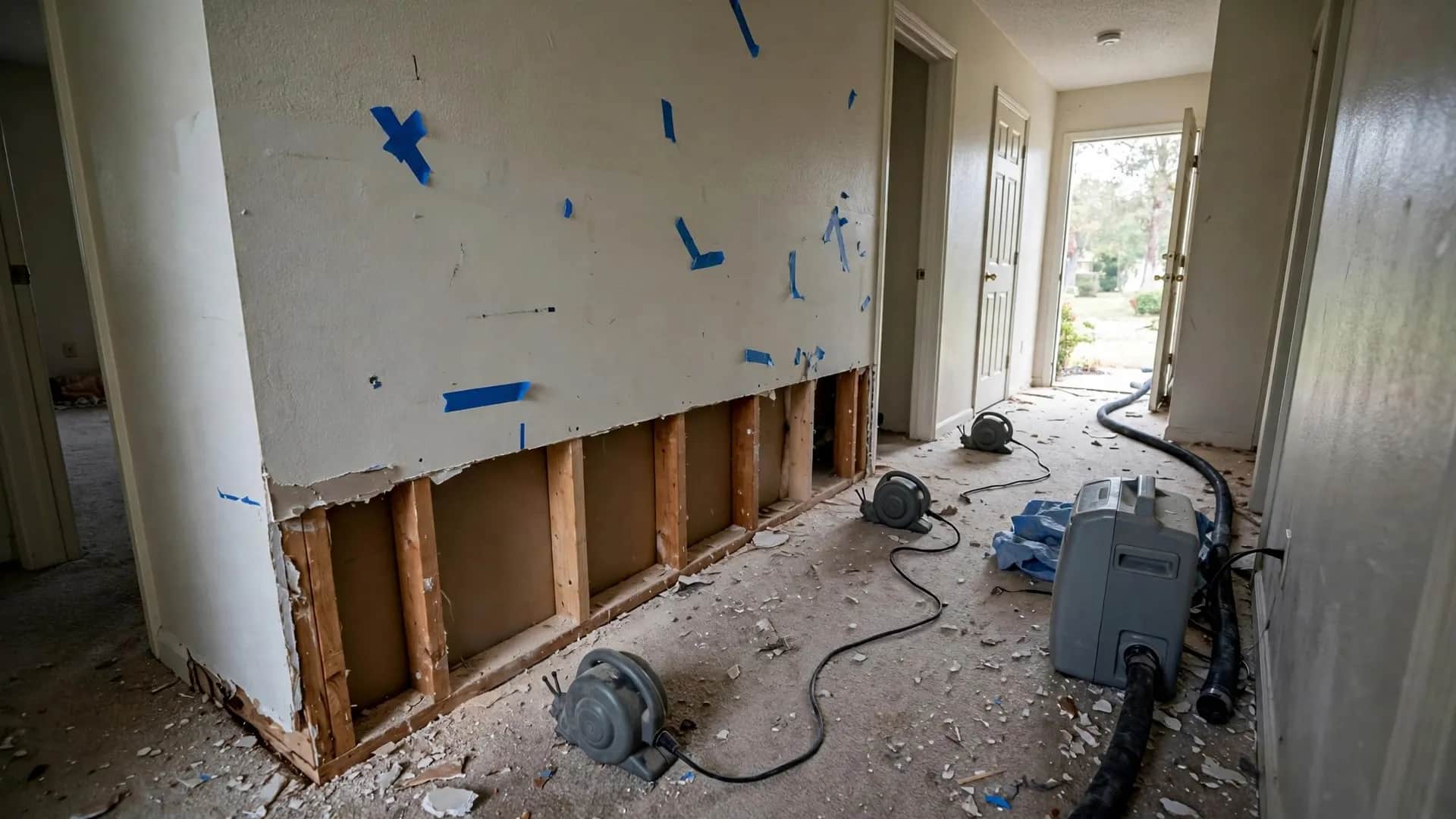
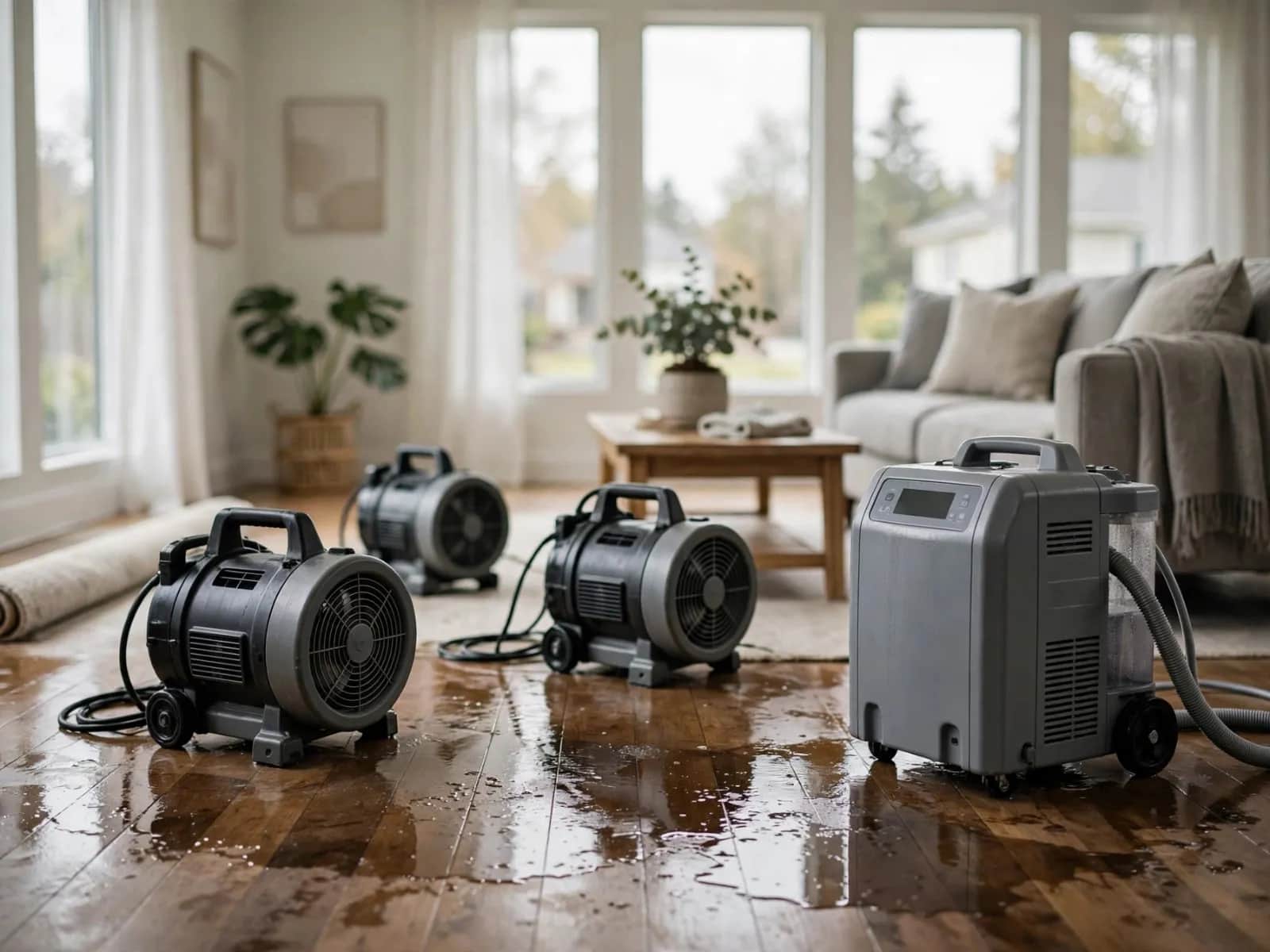
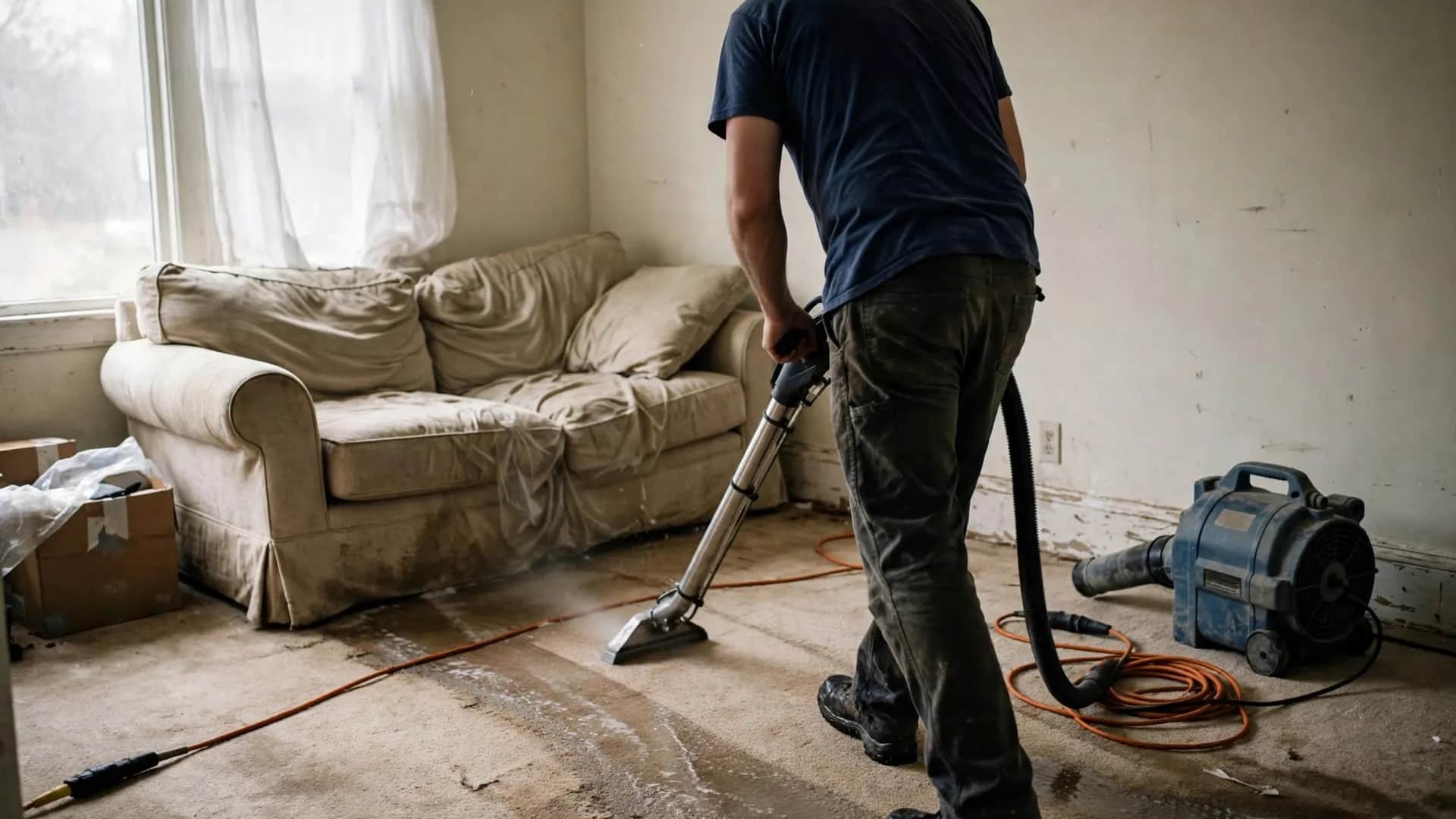
Water damage mitigation is everything done in the first hours and days to keep a loss from getting bigger: extraction, removing saturated carpet pad and insulation, setting drying equipment, and protecting what is not yet wet.
Insurers generally expect policyholders to take reasonable steps to prevent further damage, and mitigation is how that happens. Good mitigation is documented with photos, moisture readings, and drying logs that show what was done and why.
Water Damage Mitigation is part of our core water damage services. The main stages of any water loss, from emergency response to final repair.
- Extract water and remove saturated pad or insulation
- Start dehumidification and air movement
- Document everything for the claim
Before & after
Water Damage Mitigation: before and after
See what professional water damage mitigation can look like, project by project. Drag to compare, or tap a project below. Call now to get started.

Project 1
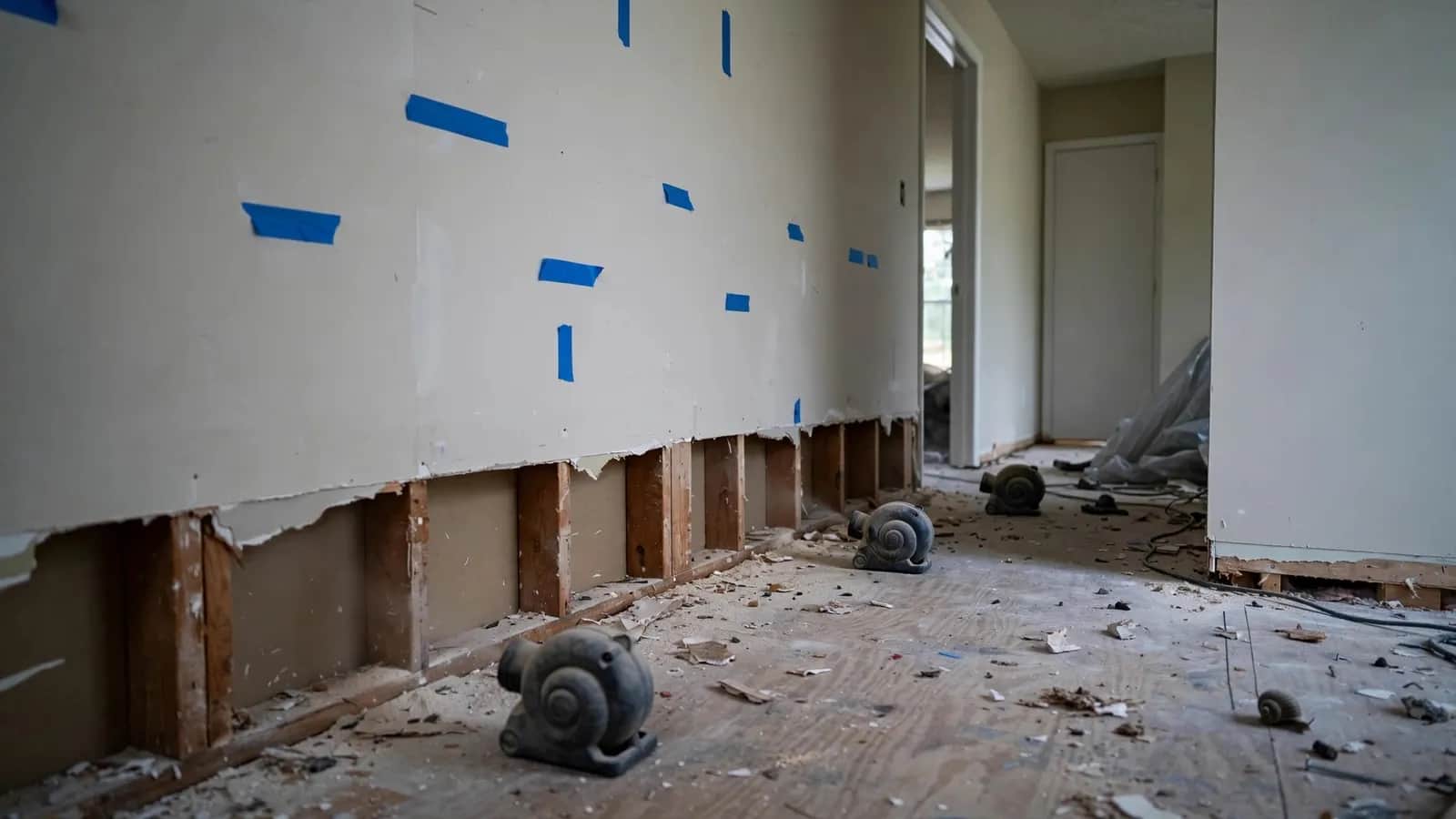
From flood cut to finished wall
- 1Wet drywall cut above the water line
- 2Framing dried to verified readings
- 3Drywall, baseboards, and paint replaced
Dealing with water damage mitigation? Call now
Call with your address and we will confirm service and tell you what happens next.
- Available 24/7
- Homes & businesses
- Insurance documentation
- Water damage that just happened
- An insurer asking you to prevent further damage
- Wet materials that have not started drying
- Any fresh water loss
- Leaks discovered on weekends or overnight
- Losses that cannot be repaired right away
- Properties waiting on an adjuster's visit
- 01
Extract water and remove saturated pad or insulation
- 02
Start dehumidification and air movement
- 03
Document everything for the claim
Service guide
What water damage mitigation includes
A clear picture of the work, so you know what to expect before anyone arrives.
Call Now (833) 502-4258Included in the service
- Inspection and water category assessment
- Extraction of standing water
- Moisture mapping of walls, floors, and ceilings
- Removal of unsalvageable materials such as soaked pad and insulation
- Structural drying with daily moisture readings
- Photo and moisture documentation for your insurer
Equipment and methods
- Truck-mounted and portable extractors
- Pull water out of carpet, pad, and hard floors far faster than fans can.
- Low-grain refrigerant dehumidifiers
- Remove moisture from the air so wet materials keep releasing it.
- Air movers
- Move air across wet surfaces to speed evaporation.
- Moisture meters and thermal cameras
- Find water hidden inside walls and under floors, and confirm when materials are dry.
Common mistakes with water damage mitigation
- Turning on fans alone and assuming the room will dry
- Using a household vacuum on standing water
- Leaving wet rugs on hardwood floors
- Painting or patching drywall before the cavity is dry
How to prepare for the visit
- 1Shut off the water source and note where it came from
- 2Photograph every affected room before moving anything
- 3Move valuables, documents, and electronics to a dry area
- 4Have your insurance policy number ready
Helpful guides
Guides for water damage mitigation
Step-by-step answers to what people ask most, from what to do first to filing a claim.
Call Now (833) 502-4258How it works
From first call to fully restored
The water damage process we follow on every job, step by step.
Call Now (833) 502-4258- 1
Emergency contact and source control
We help you shut off the water source and electricity to affected areas when it is safe to do so, and ask the questions that tell us what equipment to bring.
- 2
Inspection and water classification
Technicians identify where the water came from (clean supply, gray water, or contaminated black water) because that changes what can be dried and what must be removed.
- 3
Extraction
Truck-mounted or portable extractors remove standing water from floors, carpet, and pad. Extraction removes far more water than air movement alone can.
- 4
Moisture mapping
Moisture meters and thermal cameras trace water inside walls, ceilings, and subfloors so drying targets the real wet area, not just the visible stain.
- 5
Structural drying
Air movers and dehumidifiers are placed for the room's size and materials. Readings are taken daily until materials return to normal dry levels.
- 6
Repair and documentation
Unsalvageable materials are removed and replaced. Photos, readings, and drying logs support your insurance claim.
Water Damage essentials
The three categories of water
Restoration standards sort water losses by contamination level. The category decides how we clean, what we can save, and whether the job needs biohazard procedures.
Call Now (833) 502-4258Category 1: Clean water
Supply lines, broken pipes, and overflowing sinks with clean water. Most materials can be dried in place if work starts quickly.
Category 2: Gray water
Washing machine and dishwasher discharge, or some toilet overflows. It carries contaminants, so porous items often need cleaning or removal.
Category 3: Black water
Sewage, rising floodwater, and water that has sat long enough to grow bacteria. Porous materials it touches are usually removed and the area is sanitized.
Right now
What to do in the first hour
These steps limit the damage and keep everyone safe until our team arrives.
Call Now (833) 502-4258Stop the water
Close the fixture valve or the main shut-off, usually near the water meter, the water heater, or where the main line enters the house.
Make it safe
If water is near outlets or the electrical panel, do not touch anything electrical while standing in water. Turn off power only from a dry spot.
Protect what you can
Move rugs, electronics, documents, and furniture to a dry area. Put foil or blocks under furniture legs that must stay.
Document it
Take photos and video of the water and damaged items before cleanup starts. Your insurer will want them.
Call your insurer and us
Report the loss and call for extraction. Do not wait to see if it dries on its own.
What to expect
How long water damage restoration takes
Every job is different. This is the typical sequence and what drives the schedule.
Call Now (833) 502-4258Day 1
Emergency response, inspection, extraction, and drying equipment set up.
Days 2 to 4
Daily moisture readings and equipment adjustments until materials reach dry standard.
Day 3 to 5
Drying verified, equipment removed, and a repair scope prepared.
Following weeks
Repairs such as drywall, flooring, and paint, depending on materials and approvals.
Many homeowners policies cover sudden and accidental water damage, such as a burst pipe or a failed supply line. Gradual leaks, poor maintenance, and outside flooding are commonly excluded. Flood damage usually requires a separate flood policy.
We photograph the damage, record moisture readings every day, and keep drying logs. That documentation helps your adjuster see what happened and why each step was needed.
When you authorize it, we can talk with your adjuster directly so you do not have to relay technical details.
- Do not walk into rooms with standing water if outlets, cords, or appliances are submerged. Shut power off at the breaker only if you can reach it while standing somewhere dry.
- Sagging ceilings can hold a lot of water and may collapse. Stay out from under them.
- Water from toilets, sewers, or outside flooding can carry bacteria. Avoid skin contact and keep children and pets away.
Topic map
Where water damage mitigation fits in water damage restoration
Water Damage Restoration is a connected set of services. This is how water damage mitigation relates to the rest.
Call Now (833) 502-4258- Water Damage Restoration: Complete water damage restoration: extraction, structural drying, cleaning, and repair of the materials water has damaged.
- Water Damage Repair: Repair and rebuild after the structure is dry: drywall, flooring, cabinets, trim, and paint replaced to match.
Who do I call for water damage mitigation near me?
Call Patriot Dry at (833) 502-4258. A real person answers, helps you make the area safe, and connects you with a local water damage mitigation professional.
Call now: (833) 502-4258Is there a 24 hour water damage mitigation company near me?
Yes. Patriot Dry's line is answered 24/7 emergency response. Call (833) 502-4258 any time, day or night, including weekends and holidays.
Call now: (833) 502-4258How fast can someone come out for water damage mitigation?
It depends on your location and current demand. Call (833) 502-4258 with your address and we will confirm availability and give you an honest time estimate.
Call now: (833) 502-4258What number do I call for water damage mitigation?
The number is (833) 502-4258. Save it in your phone so you have it ready in an emergency.
Call now: (833) 502-4258Should I wait for the insurance adjuster before starting mitigation?
Usually no. Most policies expect you to prevent further damage. Document the scene with photos, notify your insurer, and start mitigation.
Call now: (833) 502-4258How long does mitigation take?
Extraction and setup usually happen in the first visit. Drying commonly runs several days, confirmed with daily moisture readings.
Call now: (833) 502-4258Does mitigation include repairs?
No. Mitigation stops the damage. Rebuilding drywall, flooring, and finishes is the repair phase that follows.
Call now: (833) 502-4258What is the difference between mitigation and restoration?
Mitigation limits the damage: extraction, drying, and removal of what cannot be saved. Restoration includes mitigation plus the repairs that put the property back to its pre-loss condition.
Call now: (833) 502-4258How long does water damage restoration take?
Day 1: Emergency response, inspection, extraction, and drying equipment set up. Days 2 to 4: Daily moisture readings and equipment adjustments until materials reach dry standard. Day 3 to 5: Drying verified, equipment removed, and a repair scope prepared. Following weeks: Repairs such as drywall, flooring, and paint, depending on materials and approvals.
Call now: (833) 502-4258Will my insurance cover it?
Many homeowners policies cover sudden and accidental water damage, such as a burst pipe or a failed supply line. Gradual leaks, poor maintenance, and outside flooding are commonly excluded. Flood damage usually requires a separate flood policy.
Call now: (833) 502-4258How long does it take to dry a house after water damage?
Most structural drying takes three to five days once extraction is done. Dense materials like hardwood, plaster, and concrete can take longer. We judge it by moisture readings, not by the calendar.
Call now: (833) 502-4258Does homeowners insurance cover water damage?
Many policies cover sudden and accidental water damage, such as a burst pipe, but often exclude gradual leaks and outside flooding, which usually needs separate flood insurance. Your policy wording decides it. We document the loss so you can file accurately.
Call now: (833) 502-4258Can I dry it myself with fans?
Fans dry surfaces, but water trapped inside walls, under flooring, and in insulation usually needs extraction, dehumidification, and moisture readings to confirm it is truly dry. Trapped moisture is a common cause of later mold growth.
Call now: (833) 502-4258Do you remove the carpet?
Not always. Carpet wet with clean water can often be dried in place. The pad is frequently replaced, and carpet soaked by contaminated water is usually removed.
Call now: (833) 502-4258Answers reviewed October 2026 by the Patriot Dry team · Questions not answered here? Call (833) 502-4258.
Speak with a water damage mitigation professional. Call now.
Tell us what happened and we will explain the next steps.
- Answered 24/7
- All 50 states
- Insurance documentation