Mold Remediation
Wood and Subfloor Mold Remediation ServicesCall Now.
Cleaning and treatment of mold on wood framing, subfloors, and other structural wood that can stay in place when sound.
- Mold on joists, studs, or plywood
- Growth found under removed flooring
- Damp wood with discoloration
Found mold after a leak or flood?
Do not scrape, sand, or bleach it. Disturbing mold spreads spores. Call us to contain the area and find the moisture that is feeding it.
Wood and Subfloor Mold Remediation is a mold service that covers cleaning and treatment of mold on wood framing, subfloors, and other structural wood that can stay in place when sound.
You typically need it when you notice mold on joists, studs, or plywood; growth found under removed flooring; or damp wood with discoloration.
| Service | Wood and Subfloor Mold Remediation |
|---|---|
| Industry | Mold Remediation |
| Category | Mold removal by area |
| When to act | Correct the moisture source first, then remediate before growth spreads |
| Main hazards | Airborne spores during disturbance, which is why containment is used |
| Core steps | Clean wood with appropriate methods → Dry wood to safe moisture levels → Replace wood that is structurally damaged |
| Reference standard | IICRC S520, Standard for Professional Mold Remediation, and EPA mold remediation guidance |
| Availability | 24 hours a day, 7 days a week |
| Also searched as | wood mold remediation |

Overview
About wood and subfloor mold remediation
Subfloor and structural wood mold is cleaned and treated rather than replaced, unless the wood has been weakened. This often follows water damage under flooring or in crawl spaces.
Moisture readings confirm the wood is dry before new flooring is installed.
Wood and Subfloor Mold Remediation is part of our mold removal by area. Different spaces have different moisture sources and materials.
People also search for this service as wood mold remediation. It is the same service and the same process.
- Clean wood with appropriate methods
- Dry wood to safe moisture levels
- Replace wood that is structurally damaged
Before & after
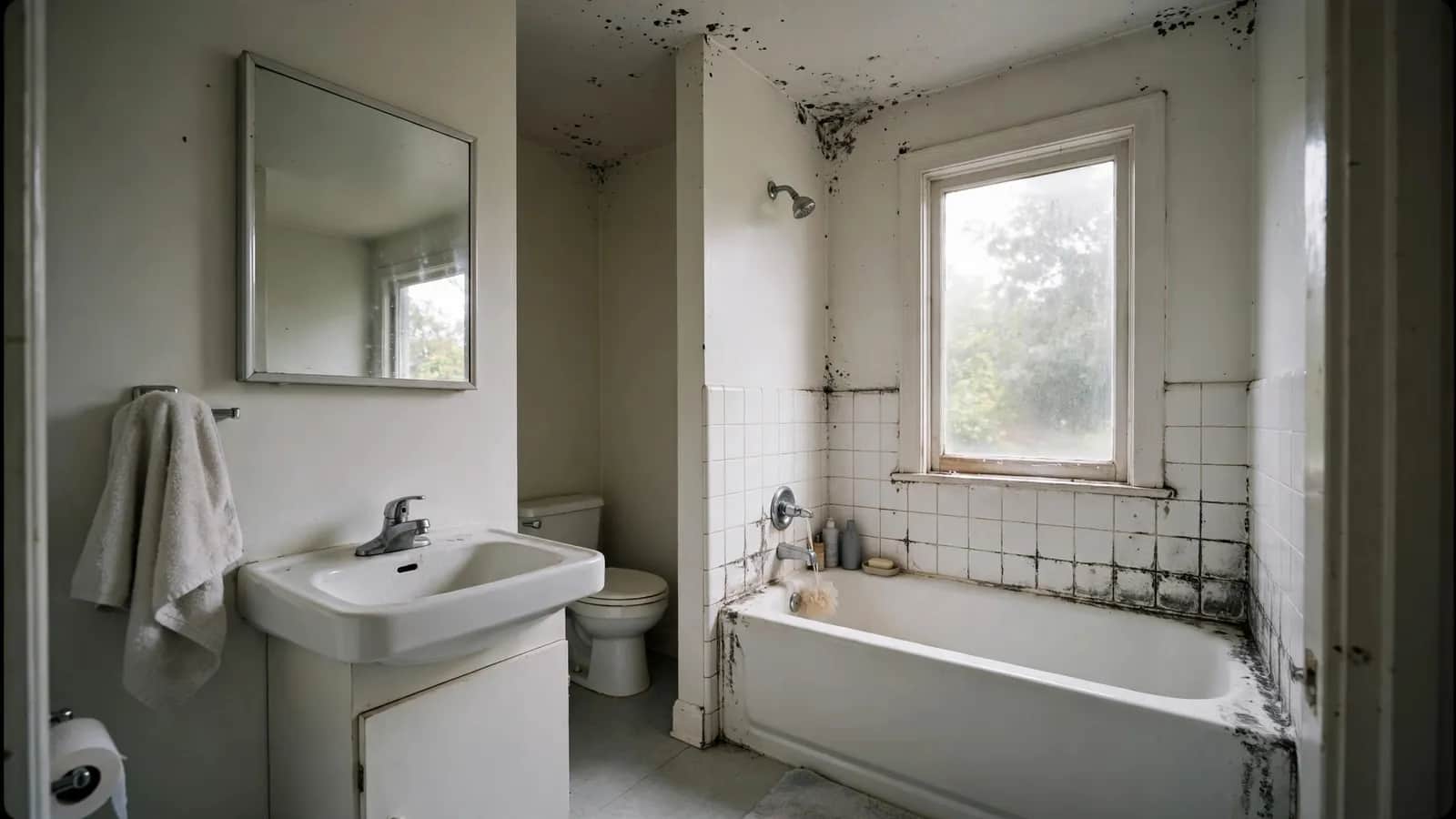
Wood and Subfloor Mold Remediation: before and after
See what professional wood and subfloor mold remediation can look like, project by project. Drag to compare, or tap a project below. Call now to get started.

Project 1
From moldy bathroom to clean
- 1Moisture source and ventilation problem found
- 2Growth removed under containment
- 3Area cleaned, dried, and protected from regrowth
Dealing with wood and subfloor mold remediation? Call now
Call with your address and we will confirm service and tell you what happens next.
- Available 24/7
- Homes & businesses
- Insurance documentation
- Mold on joists, studs, or plywood
- Growth found under removed flooring
- Damp wood with discoloration
- Leaks under flooring
- Crawl space moisture
- Flooding
- Appliance leaks
- 01
Clean wood with appropriate methods
- 02
Dry wood to safe moisture levels
- 03
Replace wood that is structurally damaged
Service guide
What wood and subfloor mold remediation includes
A clear picture of the work, so you know what to expect before anyone arrives.
Call Now (833) 502-4258Included in the service
- Finding the moisture source specific to the space
- Containment sized for the area
- Removal or cleaning of affected materials
- Drying and correction of ventilation or humidity problems
- Recommendations to keep the area dry
Equipment and methods
- Crawl space and attic access gear
- Reach tight spaces safely.
- HEPA vacuums
- Remove spores from framing and surfaces.
- Antimicrobial coatings
- Treat cleaned structural wood where appropriate.
- Vapor barriers and dehumidifiers
- Control moisture in crawl spaces and basements.
Common mistakes with wood and subfloor mold remediation
- Treating attic mold without fixing ventilation
- Ignoring a musty crawl space under the house
- Using bleach on porous drywall
- Leaving bathroom exhaust fans unused or undersized
How to prepare for the visit
- 1Clear access to the attic, crawl space, or affected room
- 2Note when the problem started and any past leaks
- 3Keep pets out of the area
- 4Have HVAC service records if ducts may be involved
How it works
From first call to fully restored
The mold process we follow on every job, step by step.
Call Now (833) 502-4258- 1
Inspection and moisture source
We find the visible growth and, more importantly, the leak, condensation, or humidity problem feeding it.
- 2
Containment
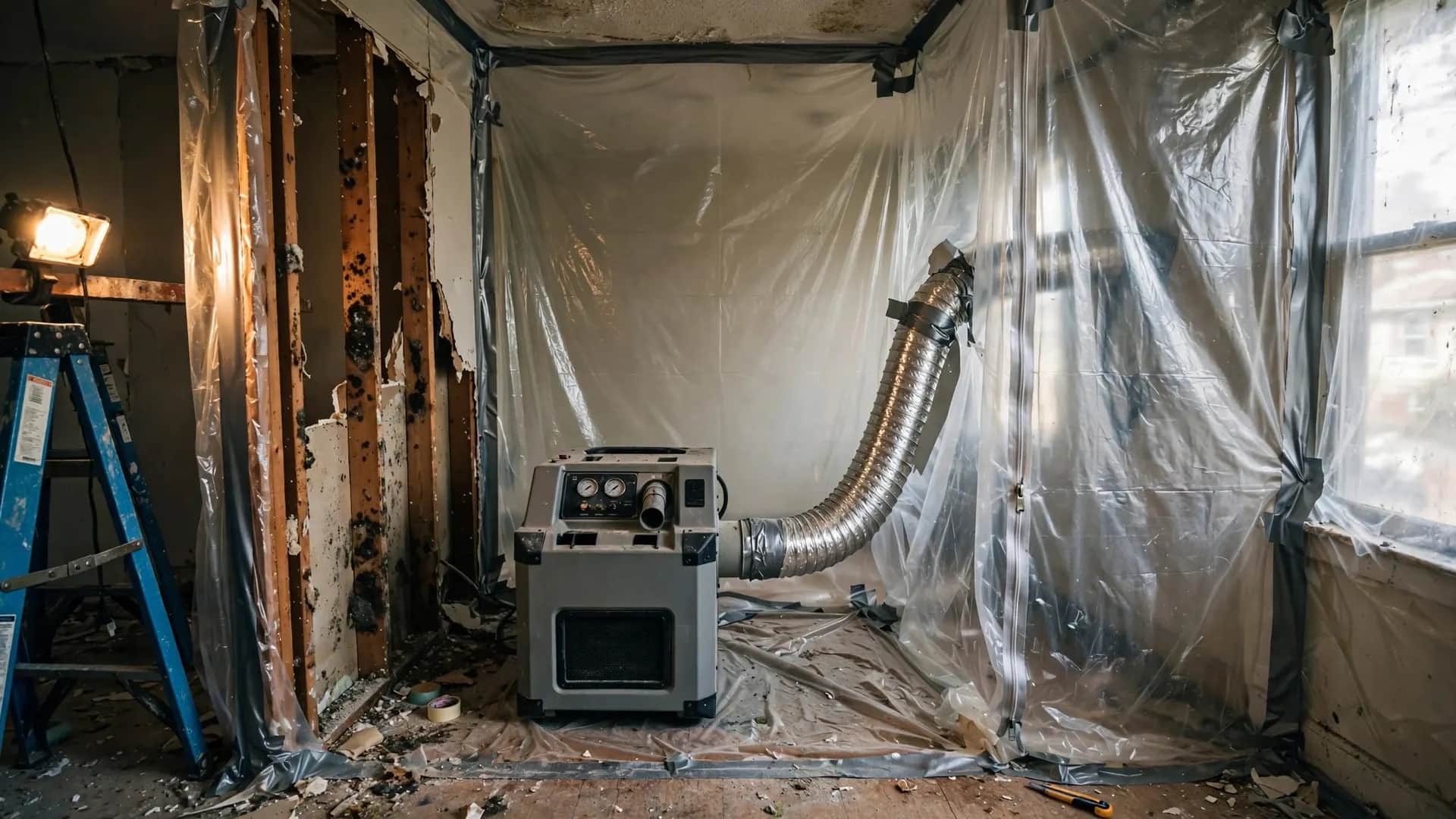
Plastic barriers and negative air pressure keep disturbed spores from drifting into clean parts of the building.
- 3
Air filtration
HEPA air scrubbers capture airborne particles while work is underway.
- 4
Removal and cleaning
Porous materials with significant growth, like drywall and insulation, are removed. Structural wood and hard surfaces are cleaned.
- 5
Drying and HEPA cleaning
The area is dried and HEPA-vacuumed so settled spores and debris are gone before rebuilding.
- 6
Prevention and rebuild
We recommend ways to stop the moisture from returning, then repair the removed materials.
Mold essentials
Why moisture comes first
Mold spores are present almost everywhere. Growth happens when they find moisture, so removing growth without fixing the water source is only half the job.
Call Now (833) 502-4258Leaks
Roof, plumbing, and appliance leaks keep materials wet. Repair comes before or alongside remediation.
Condensation
Cold surfaces in humid air, like ductwork, windows, and poorly insulated walls, collect water and grow mold.
Humidity
Basements, crawl spaces, and bathrooms with poor ventilation can stay damp enough for mold without any leak at all.
Past water damage
Water damage that was not dried completely is one of the most common causes of hidden mold.
Right now
What to do in the first hour
These steps limit the damage and keep everyone safe until our team arrives.
Call Now (833) 502-4258Leave it alone
Scraping, sanding, or dry brushing sends spores into the air. Close doors to the affected room if you can.
Stop the moisture
If there is an active leak, shut off the water or catch the drip. Mold will keep growing while materials stay wet.
Reduce humidity
Run a dehumidifier or air conditioning if it is safe to do so, and avoid running fans that blow across the mold.
Protect sensitive people
People with asthma, allergies, or weakened immune systems should stay away from the area and talk to a doctor about concerns.
Call us
We will inspect, find the moisture source, and recommend the right scope of remediation.
What to expect
How long mold restoration takes
Every job is different. This is the typical sequence and what drives the schedule.
Call Now (833) 502-4258Inspection
We locate growth and the moisture source and recommend a scope.
Containment day
Containment, negative air, and HEPA filtration are set up before removal starts.
Remediation
Removal and cleaning, usually one to several days depending on size and access.
Drying and rebuild
The area is dried and HEPA-cleaned, the moisture problem is corrected, and materials are replaced.
Coverage for mold depends heavily on the cause. Mold resulting from a sudden, covered water loss is sometimes covered. Mold from long-term leaks, humidity, or maintenance issues is often excluded or capped.
Documenting the original water loss and the moisture source helps your adjuster evaluate coverage.
We provide photos, moisture readings, and a written scope of the remediation.
- Avoid disturbing large areas of mold yourself. Scraping, sanding, or dry brushing sends spores into the air.
- People with asthma, allergies, or weakened immune systems should talk to a doctor about mold exposure and stay away from the work area.
- Bleach does not fix mold on porous materials like drywall and wood, and it adds water to the problem.
Topic map
Where wood and subfloor mold remediation fits in mold remediation
Mold Remediation is a connected set of services. This is how wood and subfloor mold remediation relates to the rest.
Call Now (833) 502-4258- Subfloor Drying connects wood and subfloor mold remediation to water damage restoration: Drying the wood or concrete layer beneath finished flooring, where water hides after it seeps through seams and edges.
- Crawl Space Mold Removal: Mold removal on floor joists, subfloor, and insulation in crawl spaces, combined with moisture control so the growth does not return.
Who do I call for wood and subfloor mold remediation near me?
Call Patriot Dry at (833) 502-4258. A real person answers, helps you make the area safe, and connects you with a local wood and subfloor mold remediation professional.
Call now: (833) 502-4258Is there a 24 hour wood and subfloor mold remediation company near me?
Yes. Patriot Dry's line is answered 24/7 emergency response. Call (833) 502-4258 any time, day or night, including weekends and holidays.
Call now: (833) 502-4258How fast can someone come out for wood and subfloor mold remediation?
It depends on your location and current demand. Call (833) 502-4258 with your address and we will confirm availability and give you an honest time estimate.
Call now: (833) 502-4258What number do I call for wood and subfloor mold remediation?
The number is (833) 502-4258. Save it in your phone so you have it ready in an emergency.
Call now: (833) 502-4258Does moldy subfloor need replacing?
Usually not, if it is structurally sound. It is cleaned and treated.
Call now: (833) 502-4258How is wood mold cleaned?
With methods such as HEPA vacuuming, scrubbing, sanding, or blasting.
Call now: (833) 502-4258Can new flooring go over treated subfloor?
Yes, once moisture readings confirm it is dry.
Call now: (833) 502-4258How long does mold restoration take?
Inspection: We locate growth and the moisture source and recommend a scope. Containment day: Containment, negative air, and HEPA filtration are set up before removal starts. Remediation: Removal and cleaning, usually one to several days depending on size and access. Drying and rebuild: The area is dried and HEPA-cleaned, the moisture problem is corrected, and materials are replaced.
Call now: (833) 502-4258Will my insurance cover it?
Coverage for mold depends heavily on the cause. Mold resulting from a sudden, covered water loss is sometimes covered. Mold from long-term leaks, humidity, or maintenance issues is often excluded or capped.
Call now: (833) 502-4258Is black mold dangerous?
Mold color does not tell you the species or its health effects. Many molds are dark. Any significant indoor mold growth should be removed, and anyone with health concerns should talk to a doctor.
Call now: (833) 502-4258Do I need mold testing?
Often not. When growth is visible, the priority is removing it and fixing the moisture. Testing can help when mold is suspected but hidden, or after remediation for clearance. In some states, testing must be done by a licensed assessor independent of the remediation company.
Call now: (833) 502-4258How long does mold remediation take?
Small contained areas can take a day or two. Larger jobs with removal of drywall, insulation, or work in crawl spaces and attics can take several days, plus drying time.
Call now: (833) 502-4258Will mold come back after remediation?
Not if the moisture problem is fixed. Recurring mold almost always means a leak, condensation, or humidity issue is still present.
Call now: (833) 502-4258Answers reviewed October 2026 by the Patriot Dry team · Questions not answered here? Call (833) 502-4258.

Speak with a wood and subfloor mold remediation professional. Call now.
Tell us what happened and we will explain the next steps.
- Answered 24/7
- All 50 states
- Insurance documentation