Fire Damage Restoration
HVAC Smoke Contamination Cleaning ServicesCall Now.
Cleaning of ductwork and HVAC components after smoke circulates through them, to stop the system from spreading soot and odor.
- Smoke odor when the system runs
- Soot around supply and return vents
- The HVAC ran during or after the fire
Fire out and the property released?
Do not turn on the HVAC or try to wipe soot. Call us to secure the property, remove firefighting water, and stop soot and odor from setting into surfaces.
HVAC Smoke Contamination Cleaning is a fire damage service that covers cleaning of ductwork and HVAC components after smoke circulates through them, to stop the system from spreading soot and odor.
You typically need it when you notice smoke odor when the system runs; soot around supply and return vents; or the HVAC ran during or after the fire.
| Service | HVAC Smoke Contamination Cleaning |
|---|---|
| Industry | Fire Damage Restoration |
| Category | Smoke, soot, and odor |
| When to act | Begin once the fire department or local authority releases the property |
| Main hazards | Structural weakness, damaged wiring, soot and smoke residue |
| Core steps | Inspect ducts, coils, and air handler → Clean contaminated components → Replace filters and deodorize |
| Reference standard | IICRC S700, Standard for Professional Fire and Smoke Damage Restoration |
| Availability | 24 hours a day, 7 days a week |
Overview
About hvac smoke contamination cleaning
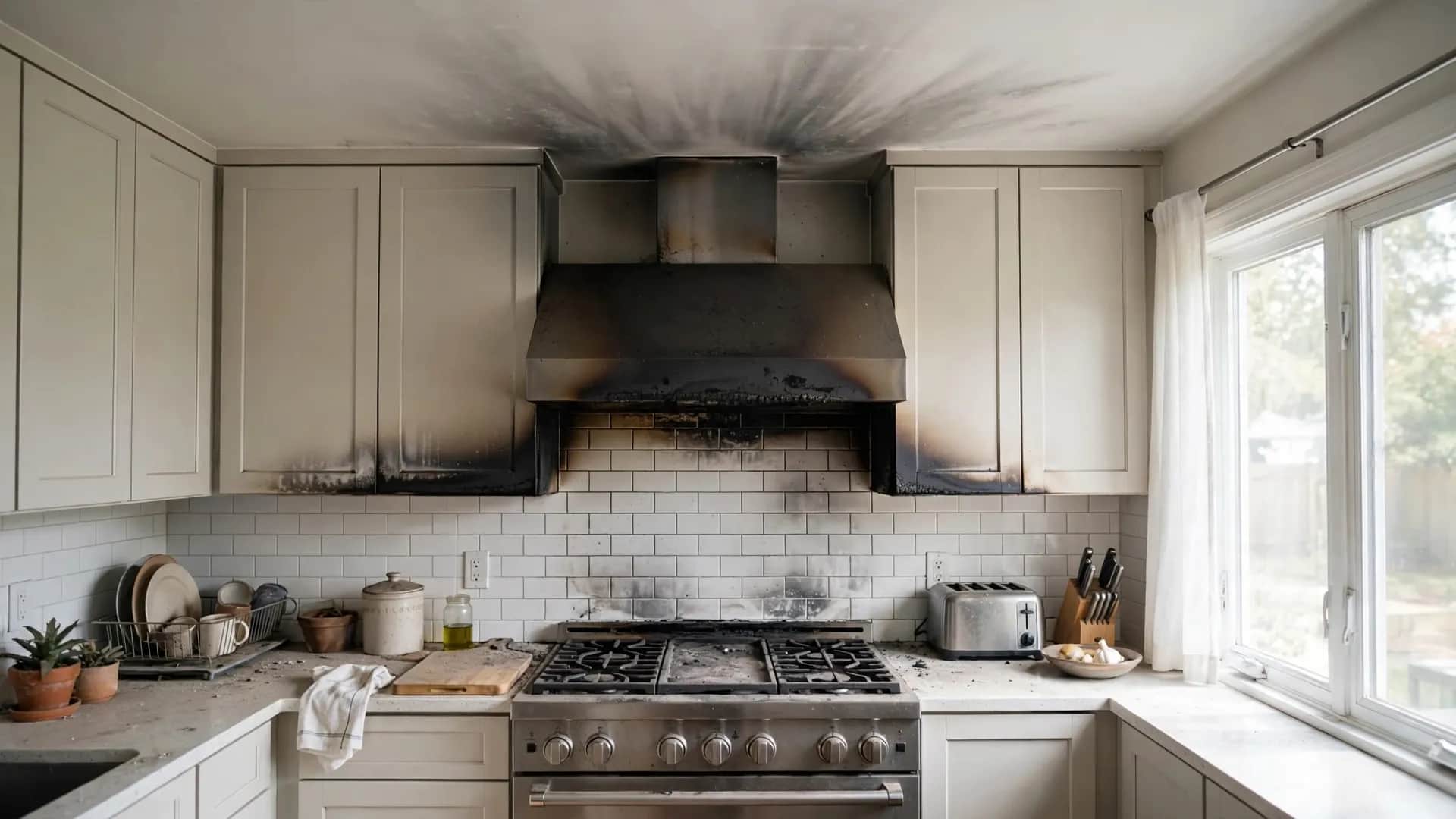
During and after a fire, the HVAC system can pull smoke and soot through ductwork and spread it to every room. Unless the system is cleaned, it keeps redistributing residue and odor.
HVAC smoke cleaning covers ducts, registers, the air handler, and coils, and filters are replaced.
HVAC Smoke Contamination Cleaning is part of our smoke, soot, and odor. Residue and odor that spread far beyond the burned area.
- Inspect ducts, coils, and air handler
- Clean contaminated components
- Replace filters and deodorize
Before & after
HVAC Smoke Contamination Cleaning: before and after
See what professional hvac smoke contamination cleaning can look like, project by project. Drag to compare, or tap a project below. Call now to get started.

Project 1
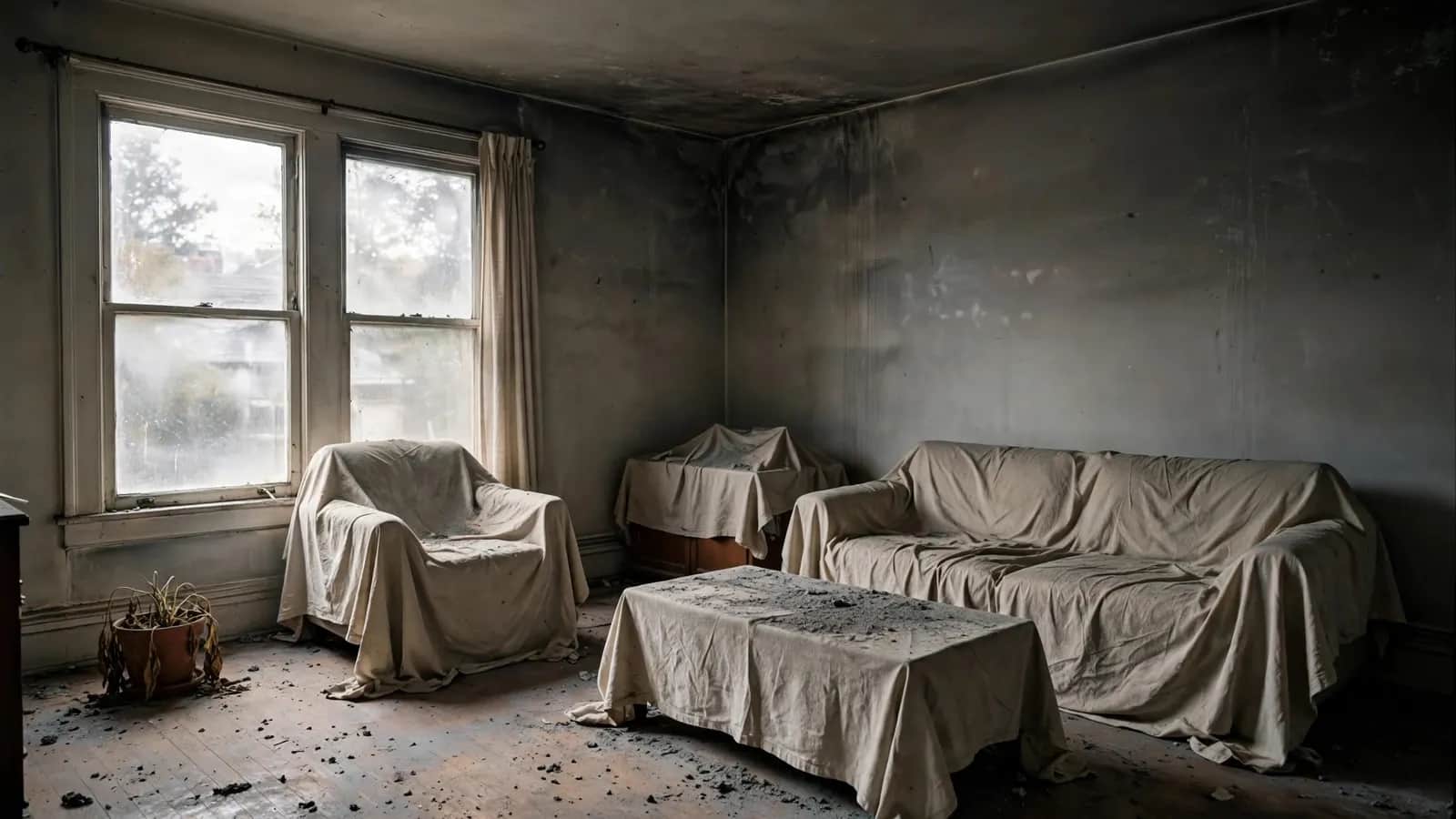
From smoke-stained to clean
- 1Loose soot vacuumed before any wet cleaning
- 2Walls and ceilings cleaned, sealed, and repainted
- 3HVAC and contents cleaned so odor does not return
Dealing with hvac smoke contamination cleaning? Call now
Call with your address and we will confirm service and tell you what happens next.
- Available 24/7
- Homes & businesses
- Insurance documentation
- Smoke odor when the system runs
- Soot around supply and return vents
- The HVAC ran during or after the fire
- House fires while the HVAC was running
- Furnace puff-backs
- Wildfire smoke
- Smoke from neighboring units
- 01
Inspect ducts, coils, and air handler
- 02
Clean contaminated components
- 03
Replace filters and deodorize
Service guide
What hvac smoke contamination cleaning includes
A clear picture of the work, so you know what to expect before anyone arrives.
Call Now (833) 502-4258Included in the service
- Identifying the type of smoke residue
- HEPA vacuuming and dry soot removal
- Wet cleaning of walls, ceilings, and hard surfaces
- HVAC and duct cleaning where smoke traveled
- Odor removal from structure and contents
- Sealing surfaces before repainting when needed
Equipment and methods
- Dry chemical sponges
- Remove dry soot without spreading it.
- Degreasing cleaners
- Cut sticky protein and kitchen smoke residue.
- Duct cleaning equipment
- Remove soot drawn through ductwork.
- Ozone or hydroxyl odor treatment
- Break down odor molecules in porous materials.
Common mistakes with hvac smoke contamination cleaning
- Scrubbing soot with household cleaners
- Painting over smoke stains without sealing them
- Washing smoke-damaged clothes with ordinary detergent and heat
- Ignoring odor in attics, insulation, and ducts
How to prepare for the visit
- 1Turn off the HVAC system
- 2Keep windows closed during wildfire smoke events
- 3Set aside undamaged items in a clean room
- 4Note which rooms smell strongest
Helpful guides
Guides for hvac smoke contamination cleaning
Step-by-step answers to what people ask most, from what to do first to filing a claim.
Call Now (833) 502-4258How it works
From first call to fully restored
The fire damage process we follow on every job, step by step.
Call Now (833) 502-4258- 1
Clearance and assessment
We start after the fire department or other authority releases the property. Technicians document burned, smoke-affected, and water-affected areas separately.
- 2
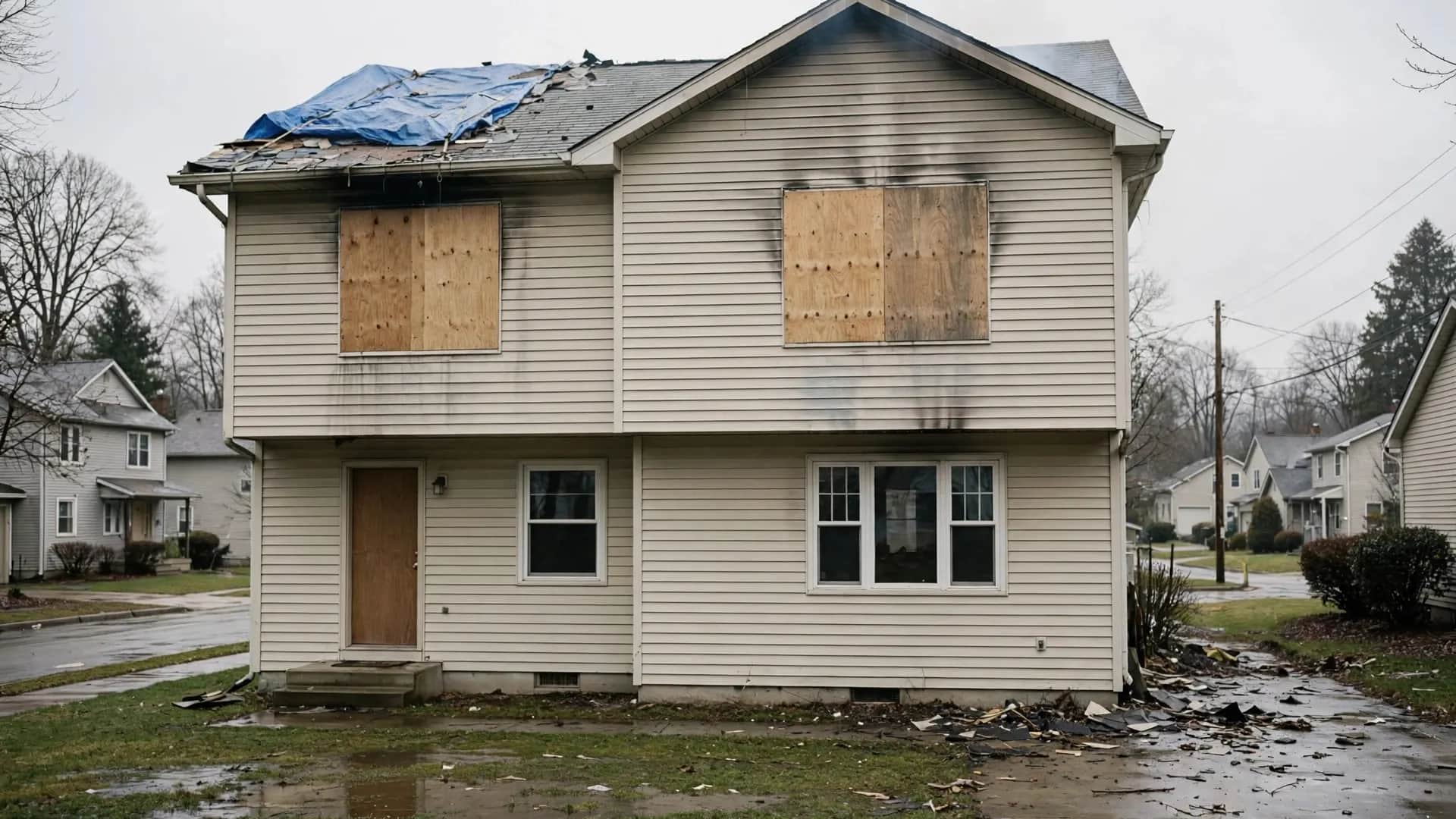
Board-up and tarping
Openings in roofs, windows, and doors are secured against weather, theft, and further damage.
- 3
Water removal and drying
Firefighting water is extracted and the structure dried, because wet soot spreads and wet framing can grow mold.
- 4
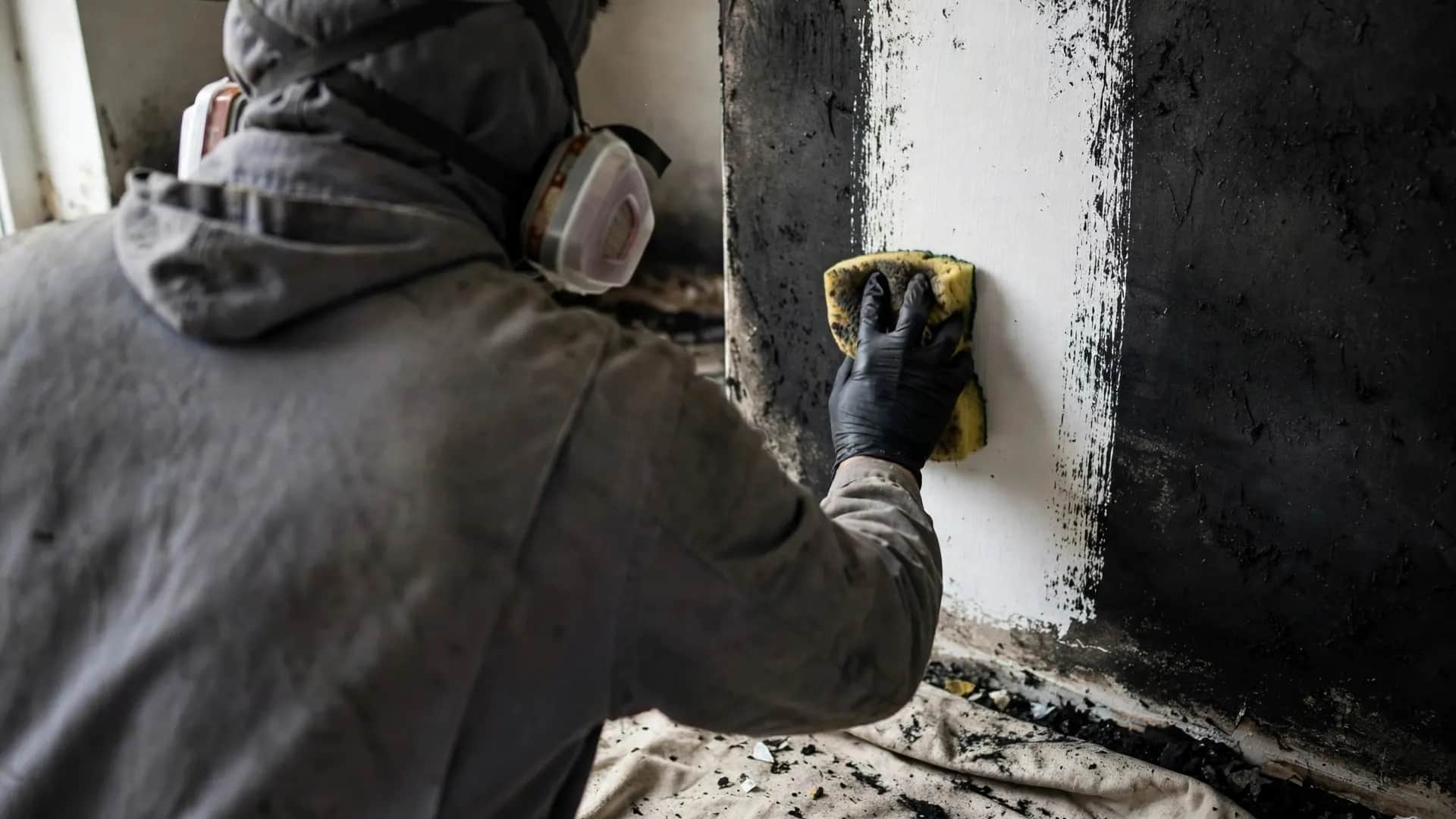
Soot and smoke residue cleaning
Residue is cleaned with methods matched to the type of fire and surface. Some residues smear if wiped the wrong way.
- 5
Odor removal
Odor is treated at its source by removing charred material, cleaning, sealing where appropriate, and deodorizing. Masking it with fragrance is not enough.
- 6
Contents and reconstruction
Salvageable belongings are cleaned or packed out, and damaged building materials are repaired or rebuilt.
Fire Damage essentials
Before you go back inside
What you do in the first days after a fire affects both your safety and how much can be saved.
Call Now (833) 502-4258Wait for clearance
Re-enter only after the fire department or another authority has released the property, and only into areas they say are safe.
Contact your insurer
Report the loss promptly and ask about additional living expenses if you cannot stay in the home.
Do not clean soot yourself
Wiping soot often smears it deeper into paint, fabric, and grout. Professional dry-sponge and chemical methods lift it instead.
Leave food and medicine
Food, drinks, and medicine exposed to heat, smoke, or firefighting water should generally be thrown away.
Right now
What to do in the first hour
These steps limit the damage and keep everyone safe until our team arrives.
Call Now (833) 502-4258Stay out until cleared
Re-enter only when the fire department or another authority says it is safe, and only into the areas they allow.
Keep systems off
Leave electricity, gas, and HVAC off until a qualified professional checks them. Running the HVAC spreads soot through the home.
Secure the property
Broken windows, doors, and roof openings should be boarded and tarped to keep out weather and intruders.
Document the damage
Photograph every room, including areas with only smoke damage, before anything is moved or cleaned.
Call your insurer and us
Report the loss, ask about additional living expenses, and schedule an assessment.
What to expect
How long fire damage restoration takes
Every job is different. This is the typical sequence and what drives the schedule.
Call Now (833) 502-4258First 24 hours
Assessment after release, board-up and tarping, and removal of firefighting water.
First week
Debris removal, soot cleaning, contents pack-out, and odor control begins.
Following weeks
Deep cleaning, deodorization, and HVAC cleaning, with contents restored off-site.
Reconstruction
Repair or rebuilding of damaged structure, which depends on permits, materials, and the size of the loss.
Standard homeowners policies generally cover fire and smoke damage, subject to your limits, deductible, and terms. Many policies also include additional living expenses while the home is being restored.
We document burned, smoke-affected, and water-affected areas separately and inventory contents, which supports an accurate claim.
When you authorize it, we can work directly with your adjuster on scope and progress.
- Do not re-enter a fire-damaged building until the fire department or another authority says it is safe. Floors, ceilings, and roofs can be weakened even where they look intact.
- Do not turn on electricity, gas, or HVAC until a qualified professional has checked them. Running the HVAC can spread soot through the whole home.
- Soot and ash can irritate the lungs and skin. Avoid touching residues and do not try to wipe soot off walls yourself.
Topic map
Where hvac smoke contamination cleaning fits in fire damage restoration
Fire Damage Restoration is a connected set of services. This is how hvac smoke contamination cleaning relates to the rest.
Call Now (833) 502-4258- Smoke Odor Removal: Removal of smoke odor at its source, through cleaning, removal of affected materials, sealing, and professional deodorization, not fragrance cover-ups.
- HVAC and Air Duct Mold Remediation connects hvac smoke contamination cleaning to mold remediation: Remediation of mold in air handlers, coils, drain pans, and ductwork, where condensation can feed growth that spreads odor through the building.
Who do I call for hvac smoke contamination cleaning near me?
Call Patriot Dry at (833) 502-4258. A real person answers, helps you make the area safe, and connects you with a local hvac smoke contamination cleaning professional.
Call now: (833) 502-4258Is there a 24 hour hvac smoke contamination cleaning company near me?
Yes. Patriot Dry's line is answered 24/7 emergency response. Call (833) 502-4258 any time, day or night, including weekends and holidays.
Call now: (833) 502-4258How fast can someone come out for hvac smoke contamination cleaning?
It depends on your location and current demand. Call (833) 502-4258 with your address and we will confirm availability and give you an honest time estimate.
Call now: (833) 502-4258What number do I call for hvac smoke contamination cleaning?
The number is (833) 502-4258. Save it in your phone so you have it ready in an emergency.
Call now: (833) 502-4258Should I run my HVAC after a fire?
No. Keep it off until it is inspected and cleaned, so it does not spread residue.
Call now: (833) 502-4258Is changing the filter enough?
Usually not. Soot settles in ducts and on coils as well.
Call now: (833) 502-4258How do I know ducts were affected?
Soot around registers, odor when the system runs, or a fire while it was operating are common signs.
Call now: (833) 502-4258How long does fire damage restoration take?
First 24 hours: Assessment after release, board-up and tarping, and removal of firefighting water. First week: Debris removal, soot cleaning, contents pack-out, and odor control begins. Following weeks: Deep cleaning, deodorization, and HVAC cleaning, with contents restored off-site. Reconstruction: Repair or rebuilding of damaged structure, which depends on permits, materials, and the size of the loss.
Call now: (833) 502-4258Will my insurance cover it?
Standard homeowners policies generally cover fire and smoke damage, subject to your limits, deductible, and terms. Many policies also include additional living expenses while the home is being restored.
Call now: (833) 502-4258How long does fire damage restoration take?
Small kitchen fires with smoke damage can often be cleaned in days. Losses with structural burning need repairs or reconstruction that can take months, depending on permits and materials.
Call now: (833) 502-4258Can smoke odor be completely removed?
In most cases, yes, when the source is removed and affected materials are properly cleaned or sealed. Odor that keeps returning usually means smoke residue is still in ductwork, insulation, or porous materials.
Call now: (833) 502-4258What can be saved after a house fire?
More than many people expect. Hard items such as glass, metal, and ceramics usually clean well. Many fabrics and furniture pieces can be restored with specialized cleaning. Heavily charred porous items usually cannot.
Call now: (833) 502-4258Will insurance pay for fire restoration?
Standard homeowners policies generally cover fire and smoke damage, subject to your coverage limits and terms. We provide photos and itemized documentation for your claim.
Call now: (833) 502-4258Answers reviewed October 2026 by the Patriot Dry team · Questions not answered here? Call (833) 502-4258.
Speak with a hvac smoke contamination cleaning professional. Call now.
Tell us what happened and we will explain the next steps.
- Answered 24/7
- All 50 states
- Insurance documentation