Emergency response · New Jersey
Emergency Flood Cleanup in New Jersey Call Now.
Need help right now? Call now.
Emergency flood cleanup addresses water that entered from outside, such as rising water or storm runoff, which is treated as contaminated and requires removal and sanitizing, not just drying.
- Floodwater entered from outside after a storm
- Mud and silt left on floors and walls
- Water rose above outlets or into wall cavities
- The home is reopened after an evacuation
When to call 911 first
Call 911 first if water is in contact with electrical equipment and someone is hurt, if you smell gas, or if there is a risk of structural collapse.
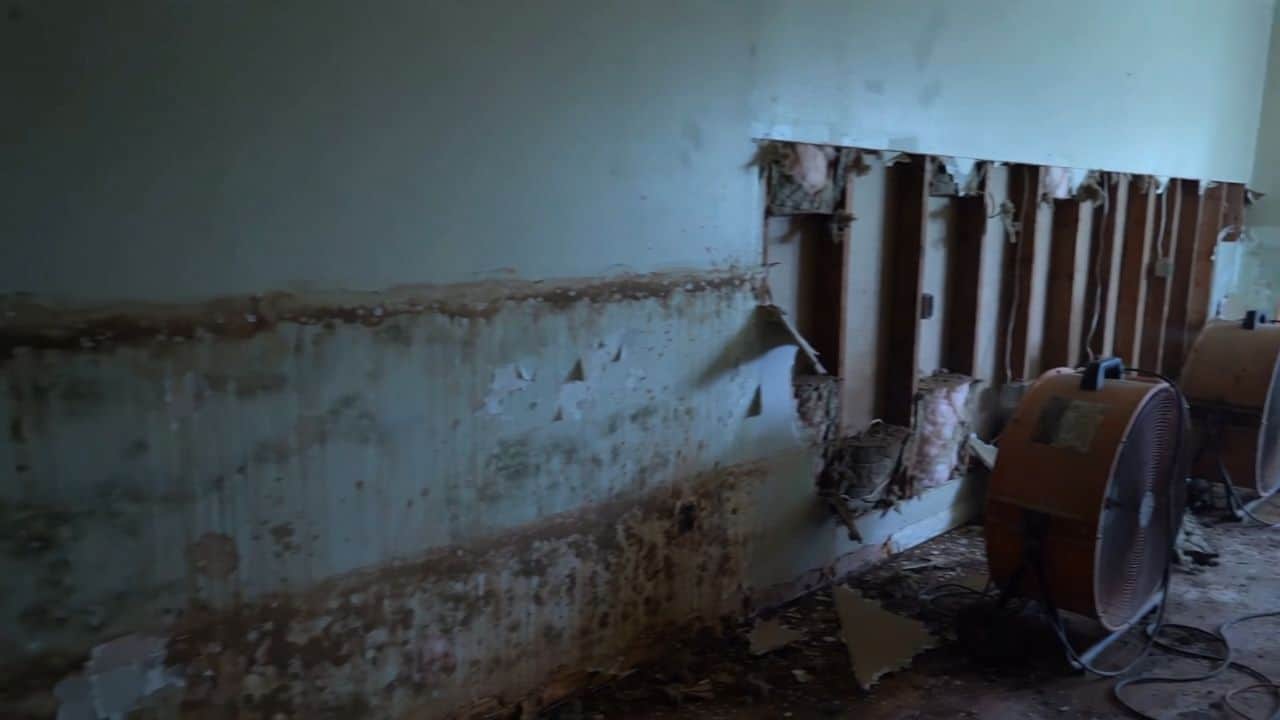
Emergency flood cleanup addresses water that entered from outside, such as rising water or storm runoff, which is treated as contaminated and requires removal and sanitizing, not just drying.
- Floodwater entered from outside after a storm
- Mud and silt left on floors and walls
- Water rose above outlets or into wall cavities
- The home is reopened after an evacuation
Right now
Do this in the next few minutes
Only take steps that are safe. If in doubt, stay out and call.
Call Now (833) 502-4258- 01
Do not re-enter until officials say it is safe
- 02
Have power checked before turning it back on if water reached outlets or the panel
- 03
Avoid skin contact with floodwater, which can carry sewage and chemicals
- 04
Document the water line on walls with photos
Common mistakes with flood damage restoration
- Turning on fans alone and assuming the room will dry
- Using a household vacuum on standing water
- Leaving wet rugs on hardwood floors
- Painting or patching drywall before the cavity is dry
How to prepare for the visit
- 1Shut off the water source and note where it came from
- 2Photograph every affected room before moving anything
- 3Move valuables, documents, and electronics to a dry area
- 4Have your insurance policy number ready
Need emergency flood cleanup in New Jersey? Call now
A real person answers, helps you make the area safe, and gets a local restoration professional moving.
- 24/7 emergency response
- Discreet and professional
- Insurance documentation
- 1
We listen and triage
We ask where the water is coming from, how much there is, and whether it is clean, gray, or sewage.
- 2
We help you make it safe
We walk you through shutting off water and power if it is safe to do so.
- 3
We dispatch a local provider
A restoration professional serving your area is sent with extraction and drying equipment.
- 4
Mitigation starts
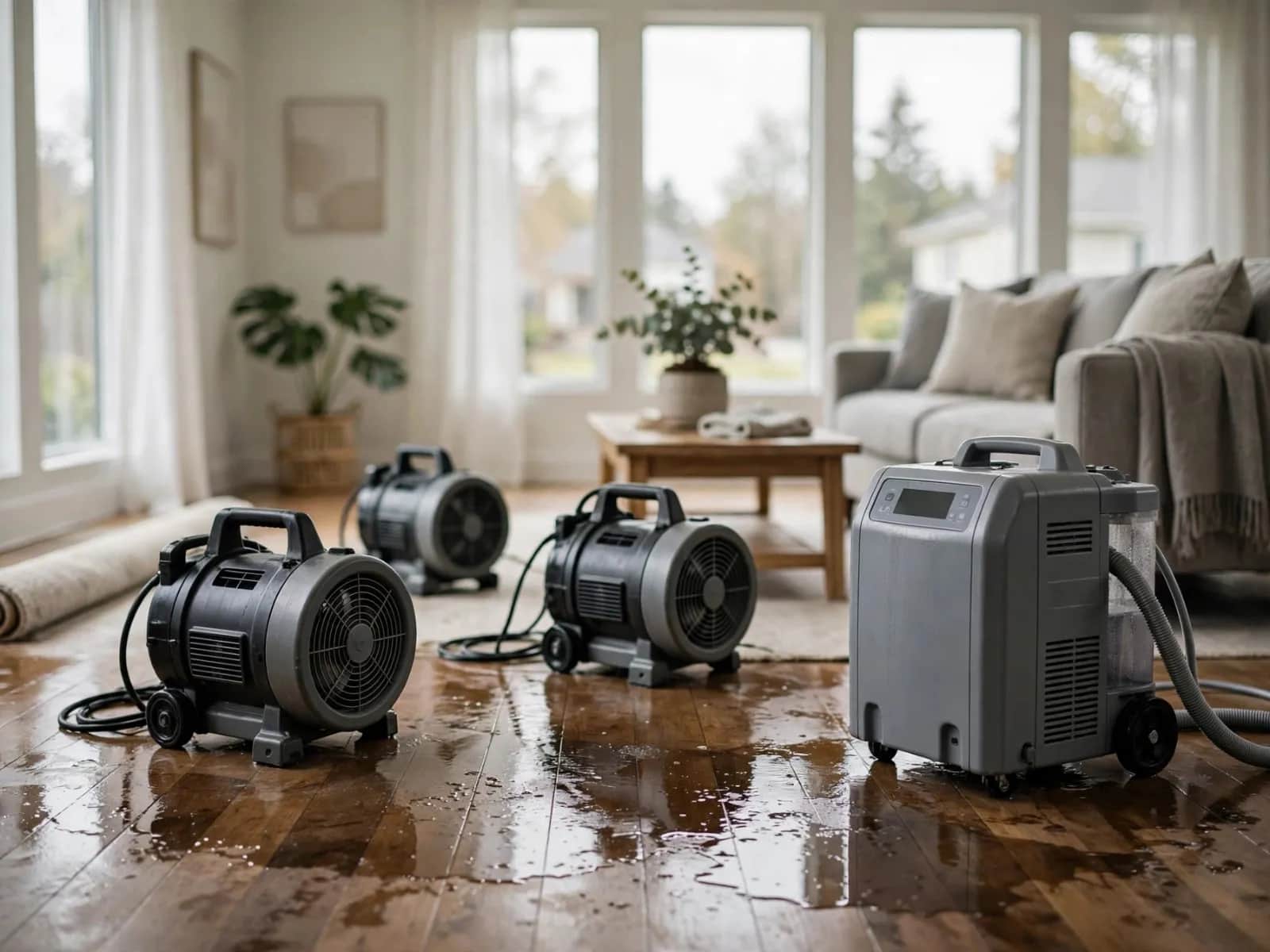
Water is extracted, wet materials are assessed, and drying equipment is set and monitored.
- Electrical shock from water near outlets and appliances
- Ceiling collapse from trapped water
- Bacteria in gray and black water
- Slip and fall hazards on wet floors
We do not promise an arrival time we cannot keep. We confirm availability for your address and give you a realistic estimate on the call.
New Jersey's dense older housing, coastal storms, and heavy rain make basement flooding and leaks between units common.
Across New Jersey, emergency flood cleanup is available in 8 counties, centered on Newark.
Smaller cities and towns with their own local pages include Jersey City, Hoboken, Elizabeth, Paterson, Clifton, East Orange, Montclair, Bayonne, Cherry Hill, Camden, and 420 more.
By county: Essex County, Hudson County, Union County, Passaic County, Camden County, Mercer County, Ocean County and Atlantic County.
When you call about emergency flood cleanup in New Jersey, we confirm availability for your address and dispatch a restoration professional who serves your part of the state. Response time depends on location, weather, and demand; we give you an honest estimate on the phone.
Hurricanes and wind-driven rain
Tropical storms and hurricanes bring wind-driven rain through damaged roofs, windows, and siding, as well as flooding. After a storm in New Jersey, flood damage restoration often starts with tarping openings and removing wet insulation and drywall before mold can develop.
Storm surge and coastal flooding
Storm surge and tidal flooding are treated as contaminated (Category 3) water. In coastal parts of New Jersey, materials soaked by surge water are usually removed rather than dried in place. Standard homeowners policies generally exclude this kind of flooding, which is covered by separate flood insurance such as the National Flood Insurance Program.
River and flash flooding
River and flash flooding affect many communities in New Jersey. Floodwater carries sewage, chemicals, and silt, so cleanup involves removing porous materials and disinfecting, not only drying. If you are considering flood insurance, NFIP policies typically have a 30-day waiting period before coverage starts.
Basements and below-grade water
Many homes in New Jersey have basements, often finished with drywall and carpet. Sump pump failures, sewer backups, and seepage after heavy rain are frequent sources of flood damage restoration, and finished basements usually need drywall cut above the water line to dry the wall cavity.
Recent history in New Jersey
Hurricane Sandy in 2012 caused severe storm surge flooding along the Jersey Shore. The remnants of Hurricane Ida in 2021 caused deadly flash flooding in northern New Jersey. Events like these are why flood damage restoration needs fast, thorough work and careful documentation for insurance.
Freezing weather and burst pipes
Hard freezes are one of the most common causes of flood damage restoration in New Jersey. Pipes in exterior walls, attics, crawl spaces, and unheated garages can split, and the leak often starts only when the pipe thaws. The American Red Cross advises keeping the heat at 55°F or higher when you are away and letting faucets on exterior walls drip during extreme cold.
- Flood Damage Restoration in New JerseyThe full service, after the emergency is under control
- Emergency Water Damage Restoration in New Jersey
- Emergency Water Extraction in New Jersey
- Emergency Water Damage Cleanup in New Jersey
- Emergency Basement Flood Cleanup in New Jersey
- Emergency Burst Pipe Water Damage in New Jersey
- Emergency Ceiling Water Damage in New Jersey
- Emergency Structural Drying in New Jersey
- Emergency Fire Damage Restoration in New Jersey
- Emergency Fire Damage Cleanup in New Jersey
Who do I call for emergency flood cleanup in New Jersey?
Call Patriot Dry at (833) 502-4258. A real person answers, helps you make the area safe, and connects you with a local emergency flood cleanup professional serving New Jersey.
Call now: (833) 502-4258Is there a 24 hour emergency flood cleanup company in New Jersey?
Yes. Patriot Dry's line is answered 24/7 emergency response. Call (833) 502-4258 any time, day or night, including weekends and holidays.
Call now: (833) 502-4258How fast can someone come out for emergency flood cleanup in New Jersey?
It depends on your location and current demand. Call (833) 502-4258 with your address and we will confirm availability and give you an honest time estimate.
Call now: (833) 502-4258Do you offer emergency flood cleanup in New Jersey?
Yes. Emergency flood cleanup addresses water that entered from outside, such as rising water or storm runoff, which is treated as contaminated and requires removal and sanitizing, not just drying. Call with your address in New Jersey and we will confirm availability and dispatch help.
Call now: (833) 502-4258Does homeowners insurance cover flood damage?
Standard homeowners policies usually exclude flooding from outside water. Flood coverage typically comes from a separate policy, such as the National Flood Insurance Program. Check your declarations page.
Call now: (833) 502-4258Does homeowners insurance cover flood damage?
Standard homeowners policies usually exclude flooding from outside water. Flood coverage typically comes from a separate flood policy.
Call now: (833) 502-4258How does hurricanes and wind-driven rain affect emergency flood cleanup in New Jersey?
Tropical storms and hurricanes bring wind-driven rain through damaged roofs, windows, and siding, as well as flooding. After a storm in New Jersey, flood damage restoration often starts with tarping openings and removing wet insulation and drywall before mold can develop.
Call now: (833) 502-4258Answers reviewed October 2026 by the Patriot Dry team · Questions not answered here? Call (833) 502-4258.
Emergency in New Jersey? Call now.
Tell us what is happening. We will help you make it safe and explain exactly what happens next.
- Answered 24/7
- All 50 states
- Insurance documentation